Australian summers can push air conditioners to their limits. When the heat lasts for weeks, your system runs longer and works harder just to keep your space comfortable. Most people don’t realise how much strain this puts on internal parts.
Over time, constant use in high temperatures can lead to hidden damage, weaker cooling, and rising power costs. If your air conditioner doesn’t feel as strong as it used to, summer heat could be the cause.
In this blog, we explore how extreme heat affects your air conditioner and the common signs that show your system may need attention before small issues turn into costly repairs.
Why Summer Heat Strains Your Air Conditioner
Summer heat forces your air conditioner to work for longer hours without much rest. The system has to remove heat from indoors and release it outside, even when outdoor air is already very hot.
This constant effort can cause air conditioner overheating, mainly in systems that haven’t been serviced recently.In such conditions, it is common to notice an air conditioner struggling in heat, taking longer to cool rooms and running almost nonstop.
Dirt buildup, poor airflow, and low gas levels add more pressure. When internal heat rises, components wear out faster. If cooling takes longer or the unit makes odd noises, it’s often a sign that the system is under strain.
Common Problems After Extreme Heat
Reduced Cooling Performance
After long summer use, your air conditioner may not cool rooms properly. Air feels less strong, cooling takes more time, and indoor comfort drops, mainly during the hottest parts of the day.
Increased Energy Bills
When your air conditioner works harder in extreme heat, it runs longer each day. This extra running time uses more electricity, which often results in noticeably higher power bills.
Frequent Cycling & Overheating
High temperatures can force the system to turn on and off too often. This repeated cycling builds heat inside the unit and puts extra pressure on important internal parts.
Wear on Key Parts (Filters, Coils & Compressor)
During summer, filters clog faster, coils trap dust, and the ac compressor overheating can occur under heavy load. Over time, this wear reduces cooling efficiency and increases the risk of breakdowns
How to Check If Heat Has Damaged Your AC
Heat damage does not always show up right away. Start by paying attention to everyday use. If your air conditioner runs longer but cools less, that is a warning sign. Touch the air near the vents to check if it feels weaker or warmer.
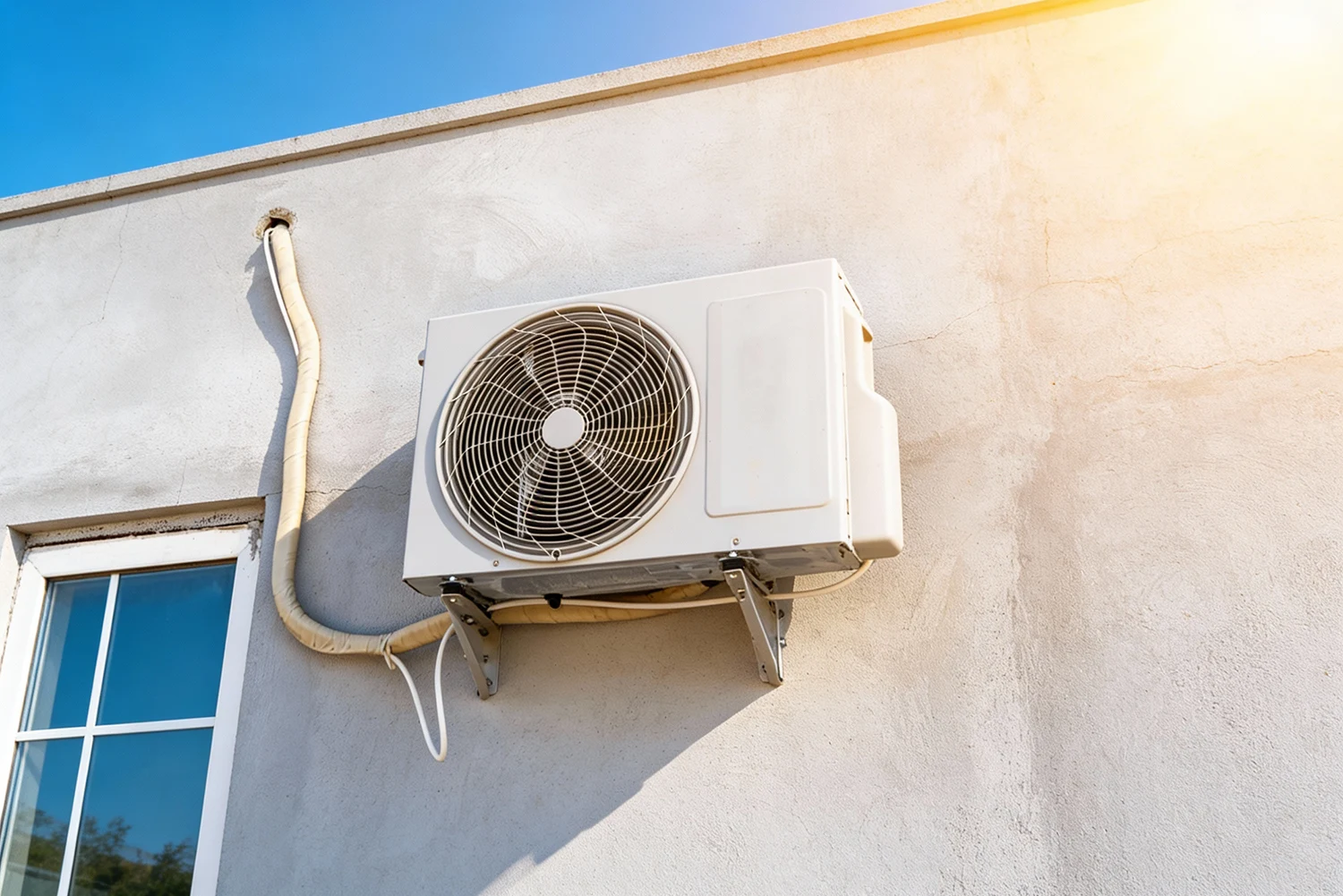
Notice any burning smells or loud humming sounds. Take a quick look at the outdoor unit to see if it feels unusually hot or dirty. Even small changes matter. These signs often mean the system worked too hard during summer and now needs attention before problems grow.
What You Can Do Right Now
After a long summer, your air conditioner may need a little attention. Start by turning it off for a short time to let it cool down. Check the air filters and clean or replace them if they look dusty. Make sure nothing is blocking the outdoor unit, including leaves or stored items.
Try setting a steady temperature instead of changing it often. Use fans to help move cool air through the room. These small steps can ease pressure on the system and help it work better without major expense.
How Regular Servicing Helps Prevent Heat Damage
Regular servicing keeps your air conditioner running efficiently and extends its lifespan, especially after summer heat. A residential hvac technician cleans filters, coils, and key components while checking refrigerant levels and airflow. Electrical inspections catch hidden faults, and worn parts are identified early.
Systems that receive routine care run cooler, use less energy, and provide consistent comfort. Skipping maintenance allows stress from heat to build up, reducing efficiency and increasing the risk of costly repairs. With regular service, your air conditioner stays reliable, performs better during heatwaves, and helps prevent AC unit overheating or sudden breakdowns.
Heatwave Lessons: How to Protect Your AC Next Time
Heatwaves put extra pressure on air conditioners, but proper care can reduce damage. Schedule a commercial air conditioner service before summer begins to prepare the system. Keep the outdoor unit shaded and free from debris. Clean filters regularly to maintain airflow and cooling efficiency.
Set indoor temperatures steadily instead of making frequent adjustments, and use curtains or blinds to limit direct sunlight. Support cooling with fans when possible. Avoid running the AC constantly during peak heat. These steps help the system cope with extreme temperatures, reduce wear on key parts, and keep your home or office comfortable during future heatwaves.
FAQ's
Yes. Long periods of high heat make your AC work harder. This can stress parts like the compressor, coils, and motors, sometimes causing reduced cooling, overheating, or small damage over time
After summer, your air conditioner may work harder due to dust, clogged filters, or worn parts. The extra effort increases electricity use, making your power bills higher than usual.
Look for weak airflow, warm air from vents, strange noises, or longer cooling times. The outdoor unit may feel hotter, or the system may turn off unexpectedly, showing heat stress.
Clean or replace filters, clear dust and leaves around the outdoor unit, check vents, and schedule a home air conditioning repair or service to inspect parts and refrigerant for post-summer recovery.