
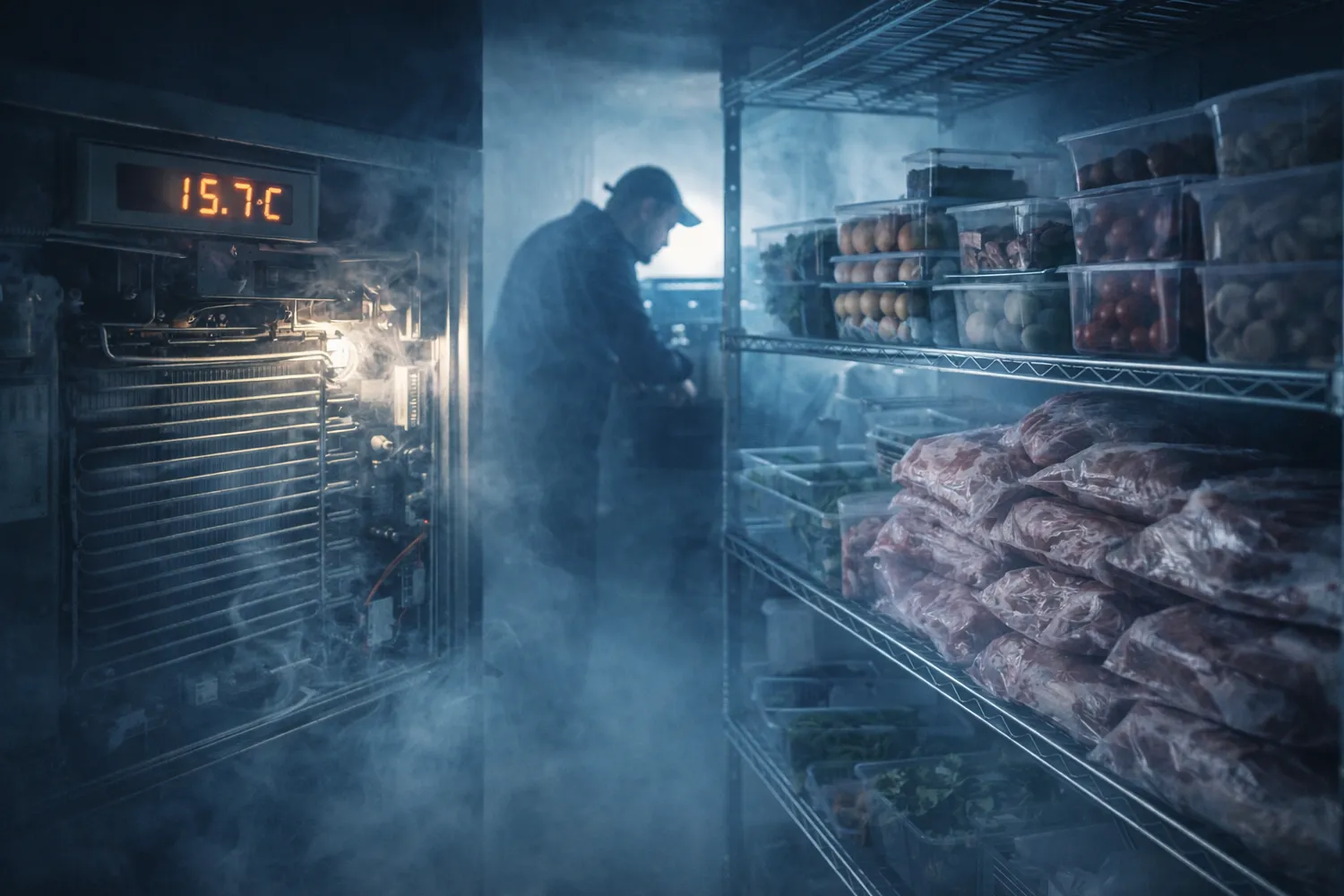
Cool Room Not Working? Emergency Steps for Businesses
Is your cool room suddenly failing to keep things cold? For any business that relies on refrigeration, this can quickly turn into a costly problem. Restaurants, supermarkets, cafes, and storage facilities all depend on consistent temperatures to protect perishable stock.
Even a short period of ineffective cooling can lead to spoiled goods, financial losses, and potential health risks. The right steps taken quickly can make a huge difference in outcomes.. From simple checks and temporary measures to knowing when to call in a professional, having a clear action plan helps you act confidently.
This guide will walk you through practical steps to tackle a cool room emergency and minimize damage.
Why Immediate Action Matters
Cool rooms are designed to maintain strict temperature ranges. Once that balance is disturbed, the internal environment begins to change rapidly.
For example, chilled food products can start losing quality within a few hours, while frozen goods may begin to thaw unevenly. This not only affects product quality but can also lead to health risks and regulatory issues.
If your commercial fridge not working, the impact is not just operational; it directly affects revenue, customer trust, and brand reputation.
Early Warning Signs You Should Never Ignore
Most cooling failures don’t happen suddenly. They build up over time, giving subtle signals before a complete breakdown.
Watch out for:
- Gradual rise in temperature
- Longer cooling cycles than usual
- Ice forming in unusual areas
- Water pooling around the unit
- Fans are running, but no cooling effect
If you notice your commercial fridge not cooling, it’s often an early indicator that something inside the system isn’t functioning as it should
Step 1: Confirm Power and Electrical Supply
Before assuming a major fault, start with the basics. Power-related issues are more common than many expect.
- Check if the unit is receiving power
- Inspect circuit breakers and switches
- Look for loose or damaged wiring
- Confirm that other appliances are working
Sometimes, a simple reset can restore functionality. However, if the unit repeatedly trips the power, it may indicate a deeper electrical fault.
Step 2: Check Temperature Settings and Controls
Thermostat settings can be accidentally changed during daily operations. Even a small adjustment can affect cooling performance.
- Verify the set temperature
- Check if the display is functioning correctly
- Reset the system if required
If your commercial fridge not getting cold enough, incorrect settings or a faulty thermostat could be the root cause.
Step 3: Minimise Heat Entry Immediately
Once you realise there’s an issue, your priority should be to preserve the internal temperature.
- Keep doors closed as much as possible
- Avoid frequent access
- Check door seals for gaps or wear
- Use temporary barriers if needed
Every time the door opens, warm air enters and puts additional pressure on an already struggling system.
Step 4: Inspect Airflow and Storage Conditions
Cooling systems rely heavily on proper airflow. Poor storage practices can block circulation and reduce efficiency.
- Avoid overloading shelves
- Keep items away from vents
- Maintain spacing between products
In many cases, a walk in fridge not cooling properly is not due to a major fault but restricted airflow inside the unit.
Step 5: Look at Condenser and Evaporator Coils
These components play a key role in heat exchange. When they are dirty or blocked, cooling performance drops significantly.
- Check for dust or grease on coils
- Listen for unusual sounds from the fan
- Look for ice build-up on evaporator coils
Clogged coils force the system to work harder, increasing the chances of a breakdown.
Step 6: Protect Your Stock Immediately
If the temperature continues to rise, shifting focus to inventory protection is critical.
- Move stock to backup refrigeration units
- Use insulated boxes for temporary storage
- Prioritise high-value or perishable items
- Monitor product temperatures closely
This step can significantly reduce losses while the issue is being resolved.
Step 7: Call a Refrigeration Expert Without Delay
If the issue isn’t resolved after basic checks, professional help is essential.
- Avoid opening or repairing internal components yourself
- Contact a technician experienced in commercial systems
- Share details like error codes, sounds, or recent changes
Delaying this step can turn a minor issue into a costly repair or complete system failure.
Common Causes Behind Cool Room Failures
Knowing why cool rooms fail helps you act quickly and prevent bigger problems. Most issues are mechanical or electrical, and spotting them early can save time, money, and stock.
- Refrigerant leaks– Loss of refrigerant reduces cooling efficiency, making the system struggle to maintain temperature.
- Compressor failure– The heart of the cooling system; if it stops working, the unit can’t cool at all.
- Faulty fans or motors– Fans move cold air; if they fail, temperature drops unevenly or stops completely.
- Blocked drainage systems– Water build-up can affect coils and cause ice, reducing cooling performance.
- Electrical faults– Wiring or circuit issues can prevent the system from running or cause intermittent problems.
Simple Maintenance Tips to Avoid Emergencies
Regular care keeps your cool room running smoothly and reduces the risk of sudden breakdowns. Small, consistent efforts can prevent costly interruptions.
- Schedule routine servicing– Professional check-ups catch small problems before they escalate.
- Clean coils and filters regularly– Dust and debris reduce efficiency and put stress on the system.
- Check door seals for wear and tear– Gaps let warm air in, forcing the system to work harder.
- Monitor temperature daily– Early detection of rising temps helps prevent product spoilage.
- Train staff to identify early warning signs– Everyone can spot unusual noises, leaks, or frost build-up before it becomes serious.
Conclusion
A cool room failure can feel overwhelming, but the right response can limit both damage and downtime. Starting with simple checks like power, settings, and airflow can often reveal the problem or slow its impact.
Acting quickly to protect stock and calling a professional at the right time can save both time and money. With regular maintenance and a clear action plan, businesses can handle such situations with confidence and keep operations running smoothly even during unexpected disruptions.
Don’t let a cooling failure impact your business. Contact Airfreeze for fast, reliable refrigeration support, expert repairs, and round-the-clock service to keep your systems running when it matters most.