
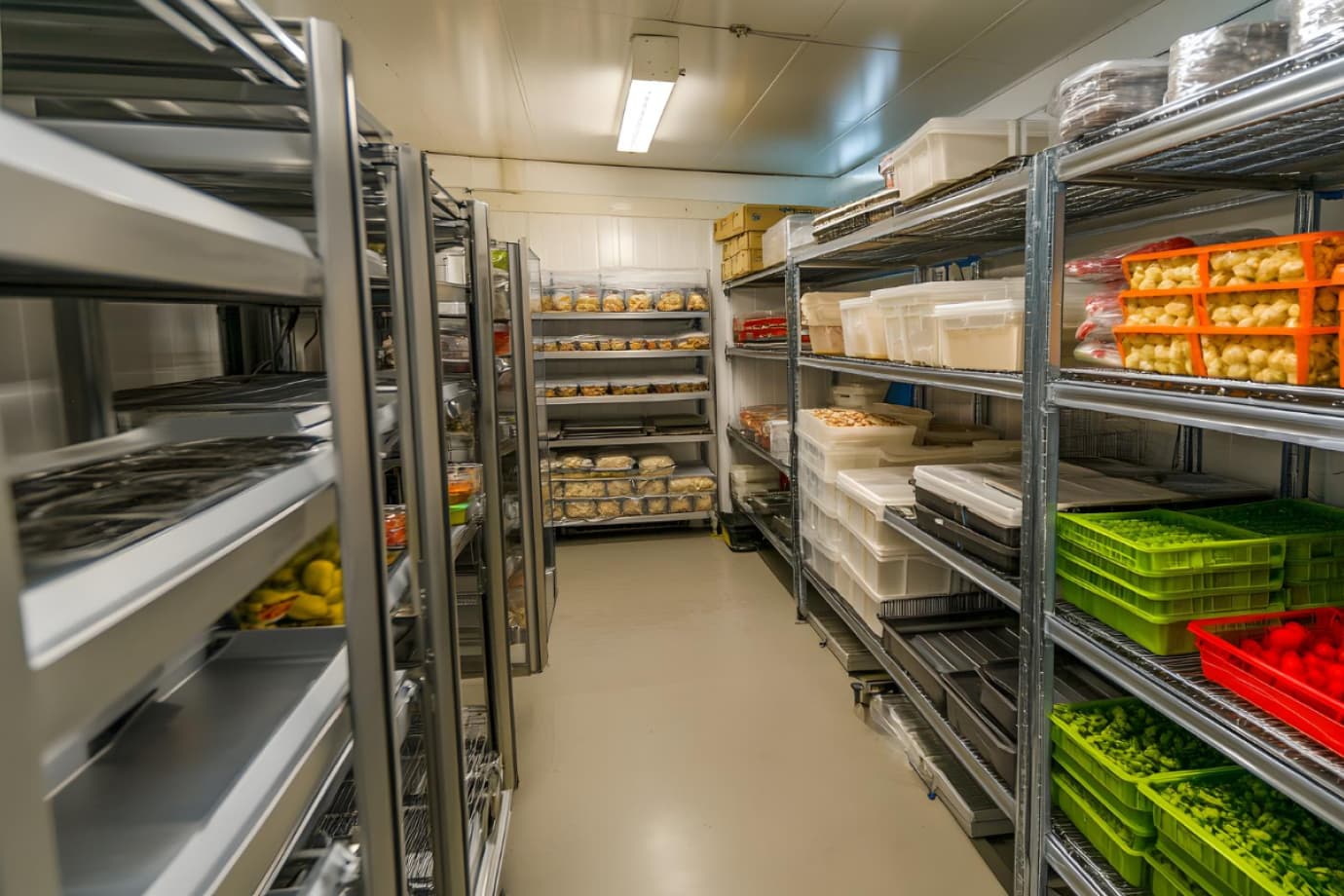
Running a business in Tamworth means dealing with long, hot summers where temperatures can push past 40°C. If you rely on cold storage, choosing the right setup is more than just a technical decision; it directly affects your stock, power bills, and compliance.
At first glance, a cool room and a freezer room may look similar, but they serve very different purposes. Picking the wrong one can lead to spoiled goods, higher costs, and unnecessary stress.
Let’s break it down in simple terms so you can choose what actually fits your business.
What Is a Cool Room?
A cool room is designed to store goods at temperatures between +2°C and +5°C, ideal for keeping products fresh without freezing them. In a place like Tamworth, where heat can be intense, insulation plays a big role in performance.
Most cool rooms in Australia use 75mm insulated panels, but in hotter regions like Tamworth, going toward the higher end of insulation quality can help maintain stable temperatures and reduce strain on the compressor.
You’ll commonly see cool rooms used by restaurants, cafés, bottle shops, flower shops, supermarkets, aged care facilities, and pharmacies. Strong compressor performance, well-fitted doors, and quality panels all contribute to reliable operation.
What Is a Freezer Room?
A freezer room operates at much lower temperatures, typically between -18°C and -25°C, making it suitable for long-term storage of frozen goods.
Because of the large temperature difference, especially when Tamworth’s ambient temperature can reach +40°C, freezer rooms require thicker insulation. The standard is 100mm panel thickness, which helps maintain low temperatures and prevents excessive energy use.
Freezer rooms are widely used by butchers, seafood suppliers, ice cream shops, frozen food distributors, large restaurants, and supermarkets. Proper compressor sizing is critical here, as the system needs to handle a much heavier cooling load compared to a cool room.
Cool Room vs Freezer Room - Side-by-Side Comparison
Feature |
Cool Room |
Freezer Room |
|---|---|---|
|
Temperature Range
|
+2°C to +5°C
|
-18°C to -25°C
|
|
Panel Thickness
|
~75mm
|
~100mm
|
|
Energy Use
|
Moderate
|
High
|
|
Typical Use
|
Fresh food, drinks, and flowers
|
Frozen meat, seafood, ice cream
|
|
Compressor Load
|
Lower
|
Higher
|
|
Tamworth Suitability
|
Needs good insulation |
Needs heavy-duty insulation
|
At Airfreeze, we understand that choosing the right cooling solution can make a significant difference in comfort, energy bills, and environmental impact.
Noticed one of these warning signs?
Get fast, professional support for refrigeration, air conditioning, and electrical services — available 24/7.
Which Type Does Your Tamworth Business Actually Need?
Restaurants/cafés
Most restaurants and cafés rely on fresh produce, dairy, and beverages. A walk-in cool room in Tamworth is usually the right fit. If you also store frozen items, a small freezer unit or combo setup may be needed. A cool room for restaurant Tamworth setups works best for daily operations.
Butchers & Meat Suppliers
Meat storage often requires both chilling and freezing. A freezer room for butcher Tamworth is essential for long-term storage, while a cool room may be used for short-term holding before processing or sale.
Bottle Shops & Liquor Stores
For beverages, consistent cooling is key. A cool room for bottle shop Tamworth keeps drinks at the right serving temperature without freezing them. Freezer rooms are rarely required here.
Supermarkets & Grocery Stores
These businesses usually need both systems. Cool rooms handle fresh produce and dairy, while freezer rooms store frozen foods. Larger setups may include multiple rooms to manage different temperature zones efficiently.
Aged Care Facilities & Hospitals
Food safety and compliance are very much essential. Most facilities rely on cool rooms for fresh food storage, with freezer rooms used for bulk frozen supplies. Tamworth’s climate makes reliable insulation and stable temperatures especially important in these settings.
What About a Dual-Temperature Cool Room?
A dual temperature cool room allows you to store both fresh and frozen items within a single setup by dividing the space into zones. This is a practical option for smaller Tamworth businesses that don’t have room for separate units.
It offers flexibility without taking up extra space, and local providers like Airfreeze can design systems tailored to your layout and usage.
Efficiency & Running Considerations
Energy use is one of the biggest differences between cool rooms and freezer rooms. Cool rooms generally have lower cool room running costs, while freezer rooms have higher freezer room energy consumption due to the lower temperatures required.
In Tamworth, high summer heat means compressors work harder, which can increase wear and power usage. Good insulation, proper panel thickness, tight door seals, and regular maintenance all help reduce running costs.
Some businesses may also qualify for support through programs like the NSW Energy Savings Scheme, which can help offset upgrades to more efficient systems.
Conclusion
Choosing between a cool room and a freezer room comes down to what you store and how your business operates. In Tamworth, the climate adds another layer to the decision, with heat, dust, and even hard water affecting performance over time.
A well-matched system not only protects your stock but also keeps energy use under control. Taking the time to get the right setup from the start can save you from costly changes later.
Airfreeze designs, installs, and services cool rooms and freezer rooms across Tamworth. ARC-certified team, fast response times, and local support to keep your business running without interruption.