
Get a Free Quote

Refrigerated Display Cabinet Temperature Guide: What NSW Law Requires

Refrigerated Display Cabinet Temperature Guide What NSW Law Requires

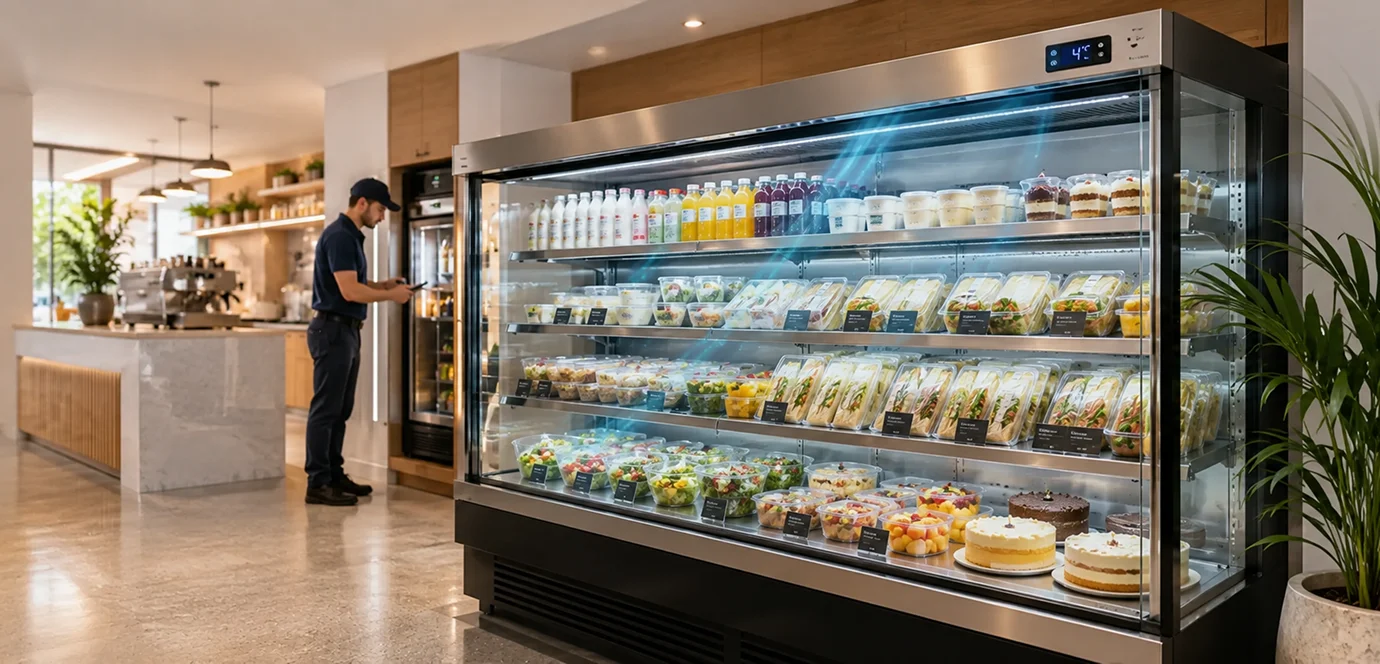
A refrigerated display cabinet does more than keep food cold. It helps protect food quality, keeps customers safe, and supports your business reputation. If the cabinet temperature is too high, harmful bacteria can grow quickly, even when the food still looks fresh. For cafés, restaurants, bakeries, supermarkets, and food retailers across New South Wales, keeping chilled food at the correct temperature is also a legal responsibility. Understanding these rules can help you avoid food waste, reduce the risk of penalties, and give your customers confidence every time they buy from you.

In this guide, you’ll gain a clear understanding of the NSW temperature requirements and why proper refrigeration plays such an important role in protecting food quality, customer health, and your business.

Why Temperature Matters More Than You Think

Imagine a customer buying a fresh chicken wrap from your display cabinet during lunch. It looks fresh, smells fine, and tastes normal. However, if the cabinet has been running above the safe temperature for several hours, harmful bacteria may already be growing.
This is why temperature control is one of the most important parts of food safety.
The right temperature helps:
  • Keep food safe to eat
  • Slow the growth of harmful bacteria
  • Maintain freshness
  • Reduce food waste
  • Protect your business reputation
  • Meet NSW food safety requirements
A refrigerated display cabinet is not simply a storage unit. It is part of your food safety system. If it does not work correctly, your business could face spoiled stock, unhappy customers, or action from food safety authorities.

What Temperature Does NSW Law Require?

Under NSW food safety requirements, potentially hazardous food must be stored and displayed at 5°C or below, while hot food must be kept at 60°C or above. Businesses that sell or display these foods are required to follow these temperature limits as part of their food safety responsibilities.
Food should not remain between 5°C and 60°C, known as the temperature danger zone, because harmful bacteria can grow quickly. During inspections, authorities may also check food temperatures and refrigeration equipment to confirm compliance.

The NSW 2 Hour and 4 Hour Rule

There are times when chilled food is taken out of refrigeration during preparation, restocking, or serving. To help businesses handle these situations safely, NSW follows the 2 hour and 4 hour rule. Food that has been outside temperature control for less than two hours can be used or placed back into refrigeration.
If it has been out for between two and four hours, it should be used immediately and not returned to the refrigerator. Once food has remained in the temperature danger zone for more than four hours, it must be thrown away. Following this rule helps reduce the risk of serving unsafe food to customers.

Common Reasons Display Cabinets Lose Temperature

A refrigerated display cabinet can lose cooling performance for several reasons, and many of them develop gradually. Frequently opening the doors, overloading shelves, blocked air vents, dirty condenser coils, worn door seals, incorrect thermostat settings, poor maintenance, or unexpected power interruptions can all affect how well the cabinet maintains a safe temperature.

Even a small issue can reduce airflow and make it difficult to keep food consistently chilled. Regular inspections and servicing can help identify these problems early, before they lead to costly repairs or food loss.

How to Check Cabinet Temperature Correctly

Many businesses rely only on the temperature shown on the display cabinet, but that should not be the only way to monitor food safety. It is good practice to use an accurate thermometer to confirm the temperature, check different areas of the cabinet throughout the day, and keep a record of the readings. Regularly cleaning and maintaining your thermometer also helps improve accuracy.
NSW food safety guidance recommends that businesses handling potentially hazardous food have access to an accurate probe thermometer to monitor food temperatures. Keeping simple temperature records can also help demonstrate that your business follows safe food handling practices.

What Food Inspectors Look For

Food safety inspections involve much more than checking whether a kitchen looks clean. Inspectors assess whether refrigerated display cabinets are operating at safe temperatures, food is stored correctly, and temperature records are up to date.
They may also examine the overall condition of the equipment, cleanliness, maintenance practices, and whether there are any signs of contamination. When your refrigerated display cabinet is well-maintained and your temperature records are accurate, it becomes much easier to demonstrate compliance during an inspection.

Simple Ways to Keep Your Display Cabinet Compliant

Keeping your refrigerated display cabinet compliant often comes down to following a few simple daily habits. Maintain the cabinet at 5°C or below, avoid overloading the shelves, and leave enough space for cool air to circulate properly. Open the doors only when necessary and close them promptly to prevent warm air from entering.

Regular cleaning, replacing worn door seals, scheduling routine servicing, and training staff to carry out daily temperature checks can all help maintain consistent cooling. These small steps reduce the risk of food safety issues and help your refrigeration system perform reliably every day.

Why Regular Maintenance Is Worth It

Waiting until a refrigerated display cabinet breaks down can lead to unnecessary costs and business disruption. Routine maintenance helps identify small issues before they develop into major problems, reducing the risk of food spoilage and expensive emergency repairs.

A well-maintained cabinet also operates more efficiently, uses less energy, and has a longer working life. Most importantly, it helps keep food at safe temperatures, protects your business reputation, and gives you confidence that your refrigeration system is ready for daily operation.

Conclusion

Meeting NSW temperature requirements starts with reliable refrigeration. A well-maintained refrigerated display cabinet helps support safe food storage and smooth business operations. Need expert refrigeration support?

Contact AirFreeze for professional servicing, repairs, and maintenance to keep your display cabinets operating efficiently and in line with NSW food safety requirements.

Table of Contents

Share via

Scroll to Top