
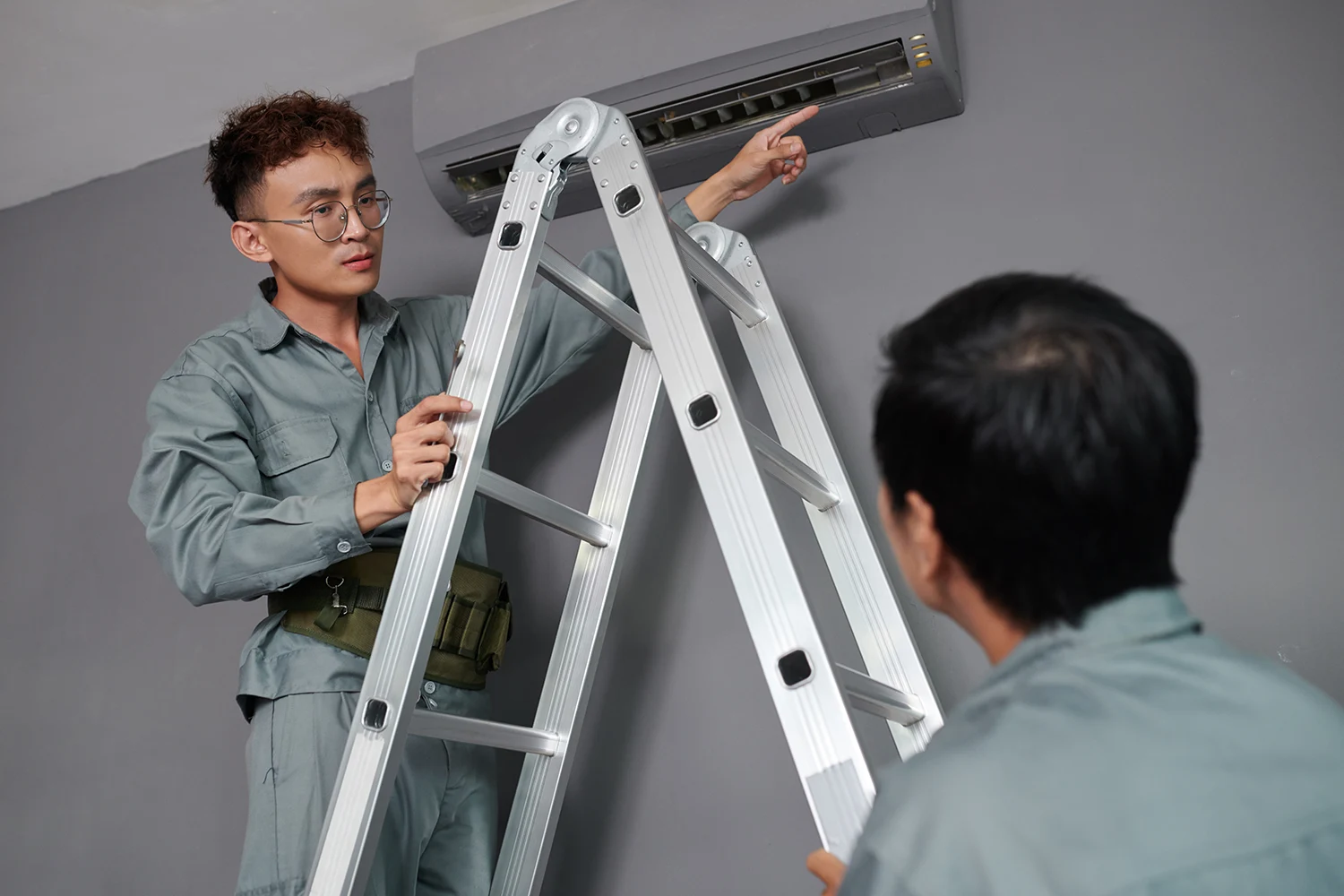
When your air conditioner suddenly stops working, especially during hot weather, it can feel stressful and uncomfortable. However, knowing the right steps to take before an emergency AC technician arrives can make a big difference.
Taking a few minutes to check simple things like thermostat settings, circuit breakers, and air filters can sometimes identify small issues you can fix yourself or give your technician helpful information ahead of time. These quick checks can also prevent further damage and make the repair process quicker and more efficient.
This guide walks you through easy, safe steps every homeowner should follow while waiting for professional help so you stay calm, comfortable, and prepared.
Stay Calm and Act Safely
Before you start inspecting your system, take a deep breath; there’s no need to panic. Safety should always be your priority. If you smell burning, see smoke, or notice sparks, turn off the AC immediately at the thermostat and shut off the circuit breaker dedicated to your air conditioner to eliminate electrical hazards.
Never try to take apart electrical components or refrigerant lines yourself; these require professional training.
Check Your Thermostat Settings
Often, the issue is simpler than it seems. Your thermostat controls your AC, and incorrect settings can make it appear as though the system has failed:
- Mode: Ensure the thermostat is set to “Cool” and not “Heat,” “Fan,” or “Off.”
- Temperature: Set the target temperature a few degrees below the current room temperature; a small adjustment kickstarts the system.
- Display: If the screen is blank, the thermostat may need new batteries, or it might have lost power. Replacing batteries or resetting the thermostat can sometimes help.
Make Sure Your AC Has Power
Power interruptions or tripped circuit breakers are common reasons air conditioners stop working:
- Breaker Panel: Head to your electrical panel and look for breakers labeled “AC,” “Air Conditioner,” or “HVAC” that may have tripped.
- Reset Carefully: If you see a breaker in the middle or “Off” position, switch it fully to “Off” and then back to “On.”
- Know When to Stop: If the breaker trips again immediately, leave it off and wait for the technician. Repeated resets can stress electrical components.
Inspect Airflow and Filters
Your AC system needs good airflow to work properly:
- Check Air Filters: A dirty or clogged filter restricts airflow, strains your system, and can cause it to shut down. Locate and inspect your air filter; if it’s dusty or blocked, replace it with a clean one.
- Open Vents: Walk through your home and make sure all supply and return vents are open and not blocked by furniture, curtains, or rugs. Proper circulation helps your AC cool evenly.
- Outdoor Unit: Clear leaves, grass clippings, or debris from around the outdoor unit to promote good airflow.
Look for Ice, Leaks, or Strange Noises
Some issues are visible and give clues about what’s wrong:
- Ice Buildup: Ice on the indoor or outdoor components is usually a sign of airflow restrictions or refrigerant issues. If you notice ice forming, turn off your AC and set the fan to “On” to allow the unit to defrost safely.
- Water Leaks: Water pooling around or near your air handler could indicate a clogged drain line or a full condensate pan. Switch off the system to prevent any potential water damage.
- Sounds & Smells: Strange noises (grinding, squealing) or burning smells are warning signs; shut the unit off and don’t run it until a technician checks it.
Document What You Find
Before your technician arrives, take a few moments to gather information that will help them diagnose the problem faster:
- Symptoms: Note what happened and when did the AC shut down suddenly or gradually.
- Observations: Record any unusual sounds, smells, ice buildup, or leaks.
- What You Checked: List anything you already inspected, thermostat setting, power, filters, vents, etc.
- Photos: A quick photo of any visible issues can help your HVAC technician prepare the right tools or parts.
Stay Comfortable While You Wait
Even while waiting for help, there are things you can do to keep cool:
- Portable Fans: Use ceiling or stand fans to circulate air and create a cooling breeze.
- Close Blinds: Blocking out sunshine helps keep indoor temperatures lower.
- Hydrate: Drink plenty of water, and limit heat‑generating activities like cooking on the stove.
- Focus on One Room: Concentrate your cooling efforts where you spend most of your time; this reduces overall discomfort.
Conclusion
When your air conditioner fails, acting quickly with the right steps can make a stressful situation more manageable. By checking your thermostat settings, power supply, filters, airflow, and documenting any problems before your emergency technician arrives, you not only keep your household safe and more comfortable but also help speed up the repair process.
Remember, if anything feels unsafe or beyond simple checks, it’s always best to wait for professional expertise. These preparations ensure your AC gets fixed faster and with less hassle.
Need fast, reliable emergency AC repair? Contact AirFreeze Refrigeration for expert support and prompt service, because comfort can’t wait. Call now and let the pros restore your cool today!