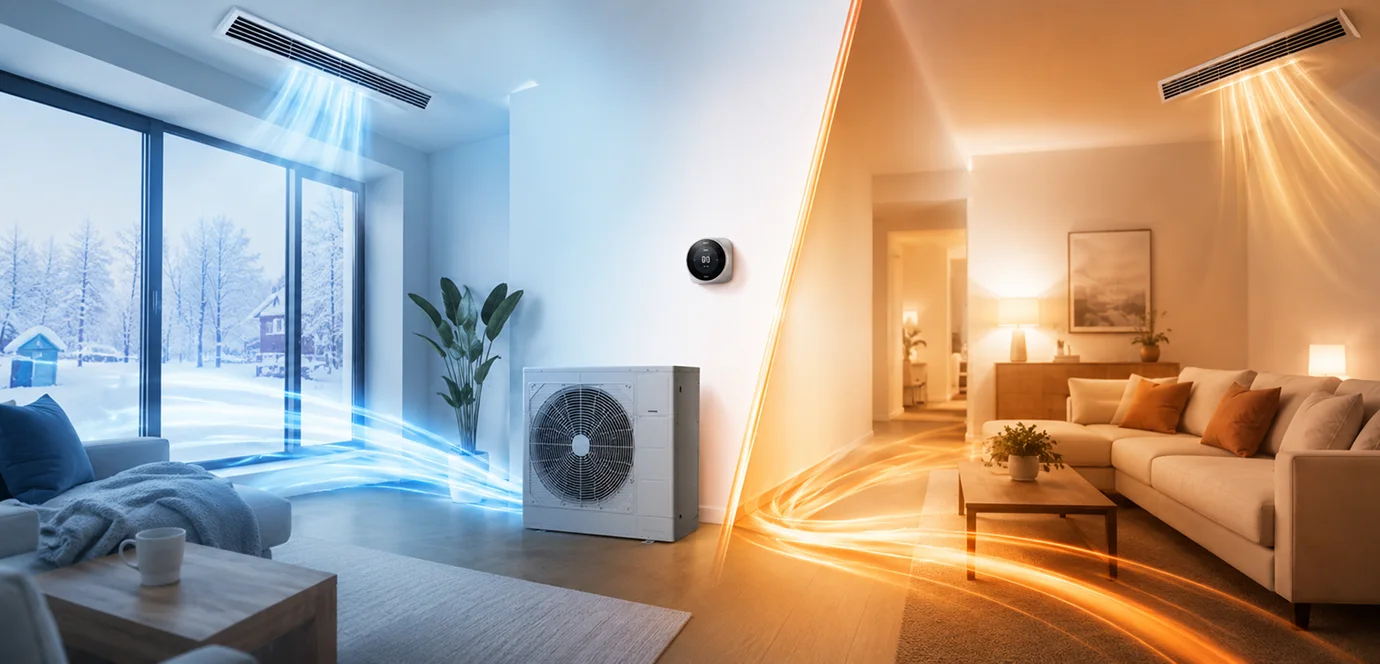
Winter can be one of the most expensive times of the year for households and businesses. As temperatures drop, heating systems work harder to maintain comfortable indoor temperatures, often leading to increased energy consumption and higher utility bills. While rising heating costs may seem unavoidable during the colder months, there are several practical and effective ways to reduce your energy usage without compromising on comfort.
Small changes in daily habits, routine system maintenance, and improvements to energy efficiency can all make a noticeable difference over the course of winter. Whether you use a split system, ducted air conditioning, or another heating solution, understanding how to operate your system efficiently can help you stay warm while keeping heating expenses under control.
In this guide, we’ll explore practical ways to reduce your heating bill this winter while maintaining a comfortable and energy-efficient indoor environment.
Practical Ways to Lower Your Heating Costs This Winter
Keeping your home warm during winter does not have to result in excessive energy bills. Many heating costs can be reduced through simple adjustments, regular maintenance, and smarter use of your heating system. The following tips can help improve energy efficiency, reduce unnecessary heat loss, and keep your indoor spaces comfortable throughout the colder months without putting extra pressure on your budget.
Set Your Thermostat to an Efficient Temperature
One of the easiest ways to reduce heating costs is to adjust your thermostat settings. Many people assume that setting the temperature higher will heat a room faster, but this is not how heating systems work. Instead, a higher setting simply causes the system to run longer, consuming more energy.
For most homes, maintaining an indoor temperature between 18°C and 20°C provides a comfortable balance between warmth and energy efficiency. Even reducing the temperature by one degree can lead to noticeable savings over the course of winter. Wearing warmer clothing indoors and using blankets when relaxing can help you stay comfortable without increasing heating costs.
Seal Drafts and Prevent Heat Loss
A significant amount of heat can escape through gaps around doors, windows, and other openings. Even a small draft can force your heating system to work harder to maintain a consistent temperature.
Take time to inspect your home for areas where cold air may be entering. Weather stripping, door seals, and draft stoppers are affordable solutions that can help prevent heat loss. Curtains can also play an important role. Closing them during the evening helps keep warm air inside, while opening them during sunny winter days allows natural heat to enter your home.
Reducing drafts is one of the most cost-effective ways to improve energy efficiency because it delivers immediate results without requiring major investments.
Maintain Your Heating System Regularly
Many heating systems operate inefficiently simply because they have not been properly maintained. Dust, clogged filters, worn components, and minor faults can reduce performance and increase energy consumption.
Regular servicing helps ensure that your system runs efficiently throughout the winter season. Clean or replace filters according to manufacturer recommendations and schedule professional inspections when necessary. A well-maintained system not only consumes less energy but also provides more consistent heating and may last longer.
Preventative maintenance can often identify small issues before they develop into costly repairs or unexpected breakdowns during the coldest months of the year.
Heat the Rooms You Actually Use
Heating every room in a property can be unnecessary and expensive, especially when some spaces are rarely occupied. Instead of trying to warm the entire building, focus on the areas where people spend the most time.
Close doors to unused rooms and direct heating to occupied spaces whenever possible. Zoning systems can be particularly effective because they allow different areas to be heated independently. This prevents energy from being wasted on rooms that do not require constant heating.
By targeting heating where it is needed most, you can improve comfort while reducing overall energy usage.
Make Better Use of Natural Sunlight
The sun can be a valuable source of free heat during winter. Even on cooler days, sunlight entering through windows can help warm indoor spaces naturally.
Open blinds and curtains during daylight hours, particularly on north-facing windows, to allow sunlight to enter. Once the sun sets, close curtains to help retain the heat that has accumulated throughout the day.
This simple habit requires no additional investment and can reduce the amount of time your heating system needs to operate.
Improve Your Home's Insulation
Insulation plays a major role in maintaining comfortable indoor temperatures. Without adequate insulation, warm air can quickly escape through ceilings, walls, and floors, forcing heating systems to work harder.
If your home feels cold shortly after the heater is switched off, poor insulation could be contributing to the problem. Upgrading insulation may involve an initial investment, but it often delivers long-term savings by significantly reducing energy consumption.
Proper insulation also improves comfort by maintaining more stable indoor temperatures throughout the day and night.
Use Heating Equipment Wisely
Portable heaters and supplementary heating devices can be useful when used correctly, but relying on them for extended periods can increase electricity costs. Before switching on additional heaters, consider whether adjustments to your primary heating system could achieve the same result more efficiently.
Ceiling fans can also assist during winter. Many modern fans include a reverse setting that pushes warm air downward from the ceiling, helping distribute heat more evenly throughout a room. This allows heating systems to operate more efficiently while improving overall comfort.
Upgrade Older Systems When Necessary
Older heating systems often consume significantly more energy than modern alternatives. If your unit frequently requires repairs, struggles to maintain comfortable temperatures, or consistently causes high energy bills, upgrading may be worth considering.
Modern air conditioning and heating systems are designed with improved energy efficiency, advanced controls, and better performance. While replacing a system represents a larger investment, the reduction in energy costs can provide long-term value and improved reliability.
Consulting with experienced professionals can help determine whether an upgrade is the most cost-effective option for your property.
Conclusion
Reducing your heating bill this winter does not have to mean compromising on comfort. Simple steps such as adjusting thermostat settings, sealing drafts, maintaining your heating system, improving insulation, and using natural sunlight effectively can all contribute to lower energy costs. Small improvements often add up to significant savings over the season. By taking a proactive approach to energy efficiency and ensuring your heating equipment operates at its best, you can create a warmer, more comfortable indoor environment while keeping winter energy expenses under control.
Need help improving heating efficiency this winter?
AirFreeze provides expert heating, air conditioning, and maintenance services to help keep your system running efficiently, reducing energy costs while maintaining reliable indoor comfort.