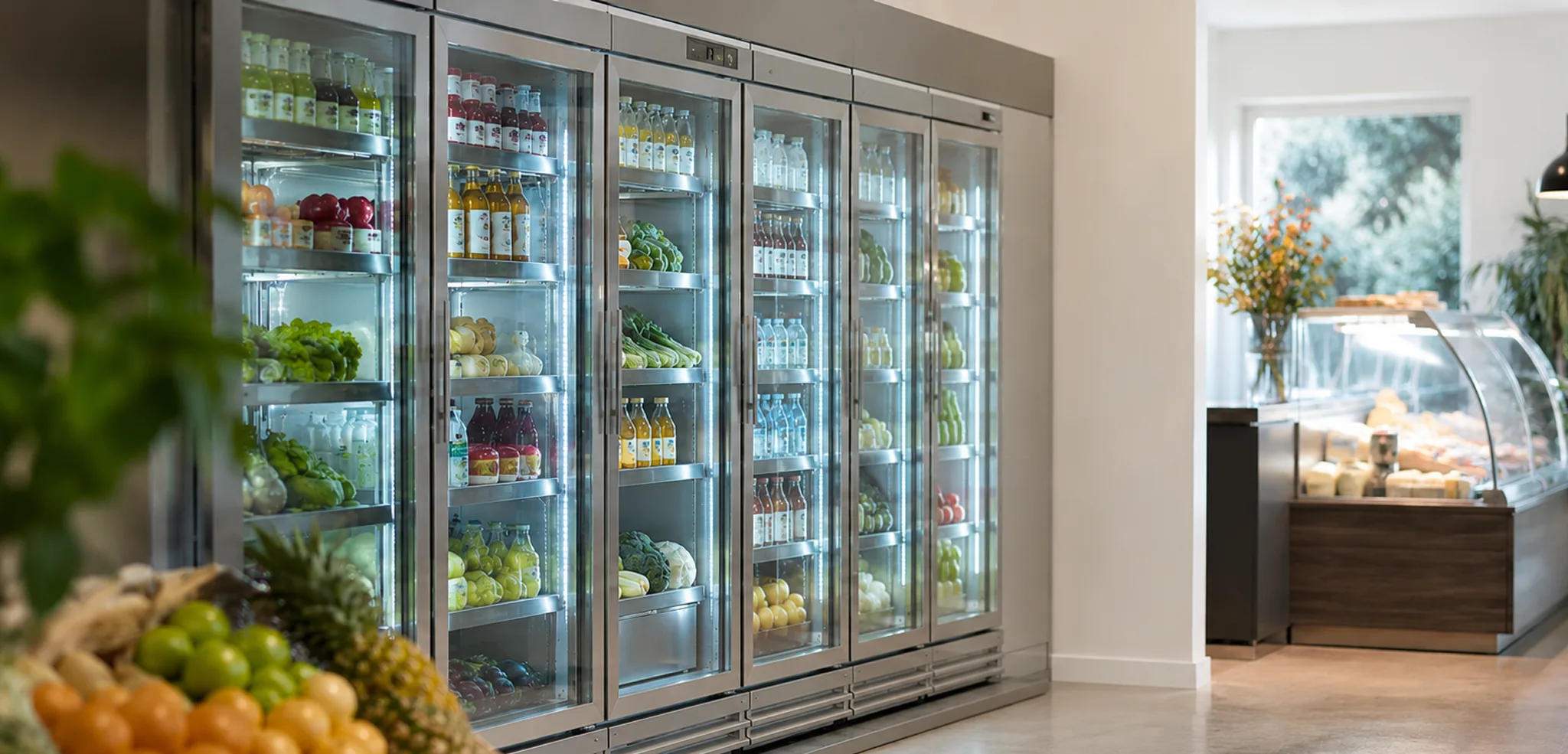
Commercial refrigeration is one of the biggest energy users in many businesses. Supermarkets, cafés, restaurants, butcher shops, bakeries, florists, and cold storage facilities all depend on refrigeration every day. When these systems use more electricity than they should, monthly power bills quickly increase. The good news is that lowering those costs does not always mean replacing your entire system. Small changes, regular maintenance, and smart operating habits can make a noticeable difference.
Commercial refrigeration systems work around the clock. Unlike many other appliances, they rarely stop running. They constantly remove heat to keep food, drinks, medicine, or other temperature-sensitive products at the right temperature.
Many things affect how much electricity a refrigeration system uses, including:
When even one of these problems is ignored, the system has to work harder. That extra work means higher electricity bills and more wear on important components.
Condenser coils help release heat from your commercial refrigeration system. When dust, dirt, or grease builds up on the coils, heat cannot escape properly, causing the compressor to work harder and use more electricity. Cleaning the coils regularly improves cooling performance, reduces energy consumption, lowers strain on the compressor, extends equipment life, and helps prevent costly repairs in the future
Door seals and gaskets play an important role in keeping cold air inside your commercial refrigeration unit. If they become cracked, torn, loose, worn, or develop gaps, warm air can enter the cabinet and force the system to work harder to maintain the correct temperature.
This increases electricity use and puts extra strain on the equipment. Regularly inspecting and replacing damaged door seals is a simple, affordable maintenance step that helps improve energy efficiency, reduce running costs, and keep refrigeration performance at its best.
Many businesses believe colder is always better. In reality, setting the temperature lower than necessary only increases electricity use.
Every time a commercial refrigeration door is opened, cold air escapes and warm air enters. This forces the system to work harder to restore the correct temperature, increasing energy use. Staff can help reduce this by planning what they need before opening the door, keeping products organised, closing doors quickly, and avoiding unnecessary opening and closing. These simple daily habits reduce the cooling load, improve efficiency, and help lower electricity costs over time.
Overloading a commercial refrigeration unit can block airflow and make it difficult for cold air to circulate evenly around stored products. This forces the system to work harder, increasing compressor run time and electricity use while reducing cooling performance. It can also affect the quality and freshness of stored goods. Leave enough space between products to allow proper airflow, helping the refrigeration unit maintain a consistent temperature and operate more efficiently.
Older commercial refrigeration systems often consume more electricity than newer, energy-efficient models. If your equipment frequently breaks down, struggles to maintain the correct temperature, or requires constant repairs, replacing it may be a better long-term investment.
Modern refrigeration units are built with improved insulation, efficient compressors, advanced fan motors, and digital temperature controls that reduce energy use. While a new system requires an upfront cost, lower electricity bills, fewer repairs, and improved performance can help you save money over time.
Commercial refrigeration units need proper ventilation. If boxes, walls, or equipment block airflow around the condenser, heat builds up and cooling becomes less efficient.
Keep enough space around refrigeration units so heat can escape easily. This simple step helps the system cool more effectively while using less electricity.
Small issues with your commercial refrigeration system should never be ignored. Unusual noises, minor water leaks, or slight temperature changes are often early signs of a bigger problem.
Fixing these issues quickly helps the system run more efficiently, reduces electricity use, protects valuable stock, and extends the life of the equipment. Delaying repairs can lead to costly breakdowns or even complete system failure, resulting in higher repair or replacement costs.
Professional servicing helps keep commercial refrigeration systems working at their best. Experienced technicians can spot hidden issues before they affect performance or increase electricity costs.
Regular servicing also helps businesses:
Businesses across Tamworth often find that planned maintenance is far more affordable than emergency repairs.
Electricity costs continue to affect business operating expenses. Improving refrigeration efficiency does more than lower monthly bills. It also reduces equipment stress, supports reliable cooling, protects valuable stock, and helps businesses operate more efficiently throughout the year.
Whether you manage a café, supermarket, hotel, restaurant, medical facility, or food production business, improving refrigeration performance is a smart investment that delivers long-term value.
Every business looks for ways to control operating costs without affecting daily operations. Your refrigeration system is one area where small improvements can lead to long-term savings while keeping your business running reliably. Taking action today can also help you avoid unexpected disruptions that affect your customers, products, and profits. Choosing the right maintenance partner makes all the difference when it comes to keeping your equipment performing at its best.