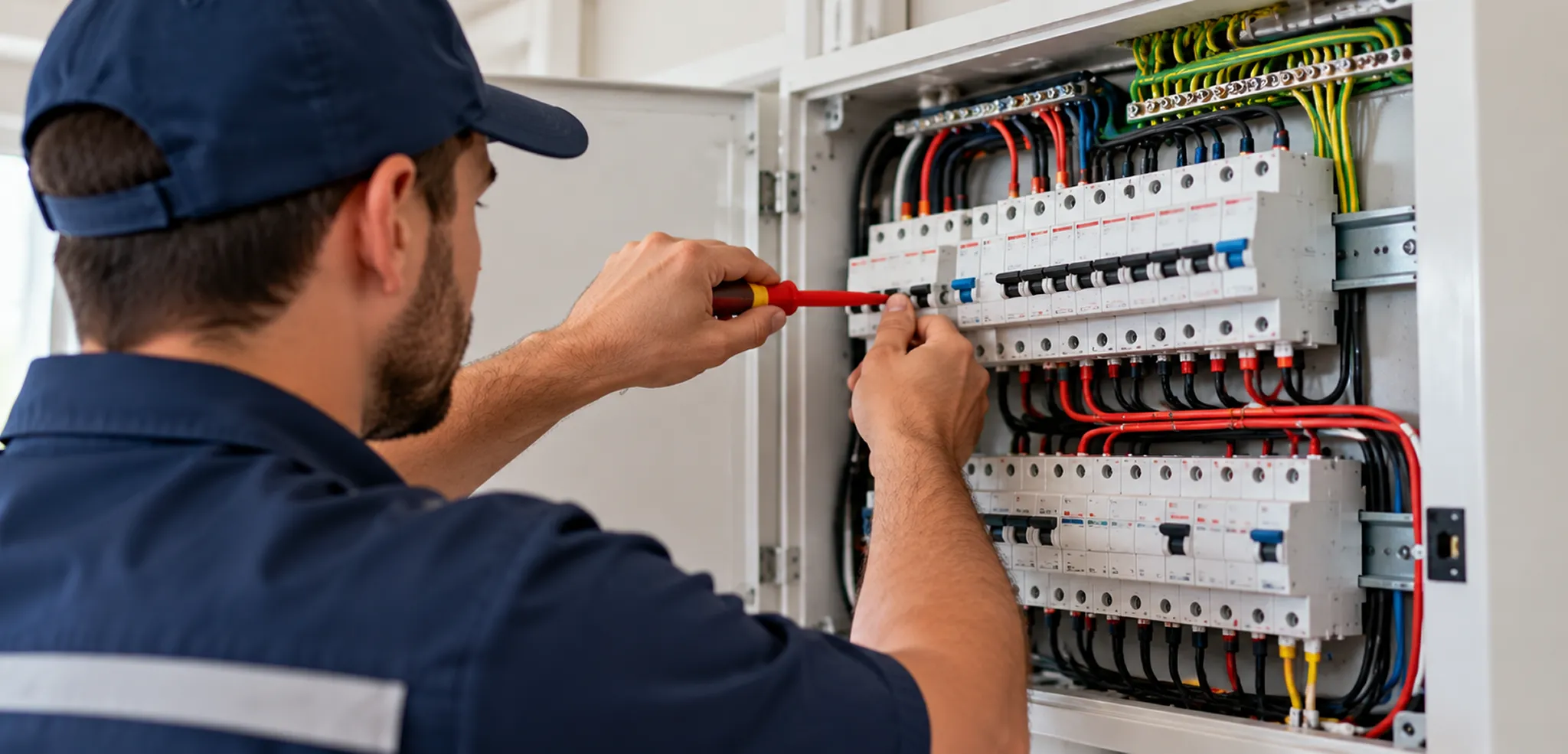
Your home’s electrical switchboard may not get much attention, but it plays an important role in keeping your electrical system safe. It distributes electricity to different circuits and houses protective devices that help prevent electrical faults from causing serious problems.
However, older switchboards may struggle to meet modern household demands, particularly when several appliances operate at once. If you live in Tamworth and have an ageing switchboard, frequent power interruptions, or plans to install new electrical appliances, it may be time to consider an upgrade.
Understanding the warning signs and what the process involves can help you make an informed decision before a minor issue becomes a bigger concern.
The switchboard also contains protective devices designed to respond to different electrical faults. Circuit breakers help protect wiring against overloads and short circuits, while safety switches, also known as residual current devices (RCDs), help protect people from electric shock by disconnecting power when they detect a dangerous current leak.
Older switchboards may rely on outdated fuse arrangements or lack adequate safety switch protection. As household electricity use changes, upgrading the board can improve protection and provide the capacity needed for additional electrical equipment.
Recognising the early signs of an ageing or overloaded switchboard can help you arrange a professional inspection at the right time. Here are some common issues worth paying attention to.
If your property has an older switchboard with ceramic or rewirable fuses, it is worth having it assessed by a licensed electrician. These older arrangements do not provide the same level of protection as modern switchboards equipped with suitable circuit breakers and safety switches.
A switchboard’s age alone does not confirm that it must be replaced, but outdated components and inadequate protection can indicate that an upgrade is needed. An electrician can inspect the existing installation and recommend suitable improvements.
An occasional circuit trip can happen when an appliance develops a fault or a circuit becomes overloaded. However, if the power keeps cutting out when you use your air conditioner, oven, kettle, or other appliances, the underlying cause needs attention.
A burning smell, discolouration, melted components, or scorch marks around your switchboard should never be ignored. These signs may indicate overheating connections or electrical arcing, which can create a fire hazard.
Treat this as an urgent safety concern rather than waiting for your next electrical maintenance visit. Keep away from the switchboard if it appears damaged, hot, or unsafe, and contact a licensed electrician promptly. If you see smoke or flames, move to safety and call emergency services.
Safety switches help reduce the risk of electric shock by quickly disconnecting power when they detect certain electrical faults. Older switchboards may have no safety switches or may provide protection to only some circuits.
A switchboard upgrade involves more than simply replacing an old panel. The electrician needs to assess the existing installation, determine the property’s requirements, and select suitable equipment for safe operation.
The process begins with an inspection of the current switchboard, including its condition, protective devices, available capacity, and circuit arrangements. The electrician may also identify issues with wiring, earthing, or the existing electrical supply that need attention.
This assessment helps establish whether the board needs a complete replacement or whether specific improvements may be appropriate.
Once the assessment is complete, the electrician can recommend a suitable switchboard configuration. Depending on the property’s needs, this may include modern circuit breakers, safety switches or combined RCBO devices, additional circuit capacity, and a suitable enclosure.
If you are planning future electrical additions, discussing them before the work begins can help determine whether extra capacity should be included.
After the work is planned, the electrician arranges the necessary power isolation and replaces the existing equipment as required. Circuits are connected to the new board, and protective devices are installed according to the design and applicable electrical requirements.
If the existing installation contains damaged wiring, an unsuitable enclosure, or asbestos-containing materials, additional work may be necessary. These issues should be assessed and handled appropriately rather than disturbed during an ordinary replacement.
Before the upgraded switchboard is put into service, the electrician carries out the required electrical tests and checks the protective devices, circuit connections, earthing arrangements, and circuit identification.
The work must comply with applicable NSW requirements and relevant Australian electrical standards. The electrician can also explain any certification or documentation required for the completed work.
The cost of a switchboard upgrade depends on the condition of the existing installation and the work required to bring it up to the appropriate standard. A straightforward replacement may cost less than a project involving additional circuits, damaged wiring, supply changes, or asbestos-related work.
The type of switchboard, number of circuits, protective devices, and accessibility of the installation can also affect the final price. Rather than relying on a generic estimate, ask for a quote based on your property’s specific requirements.
A professional assessment helps you understand what needs to be replaced, which safety improvements are recommended, and whether any additional electrical work is necessary.
Switchboard work involves electrical hazards that should not be handled as a DIY project. A licensed electrician can identify faults, assess electrical capacity, install suitable protective devices, and carry out the required testing.
For homeowners in Tamworth, choosing a professional who understands local properties and electrical requirements can make planning the upgrade easier. It also gives you an opportunity to discuss upcoming renovations, new appliances, and other changes that could affect your home’s electrical needs.
An outdated switchboard can affect your home’s electrical safety and make it harder to support modern appliances. Recognising warning signs early and arranging a professional inspection can help you address potential issues before they become serious problems.
Whether you’re renovating or upgrading an older property, choosing the right switchboard is an important step towards safer electricity use.