
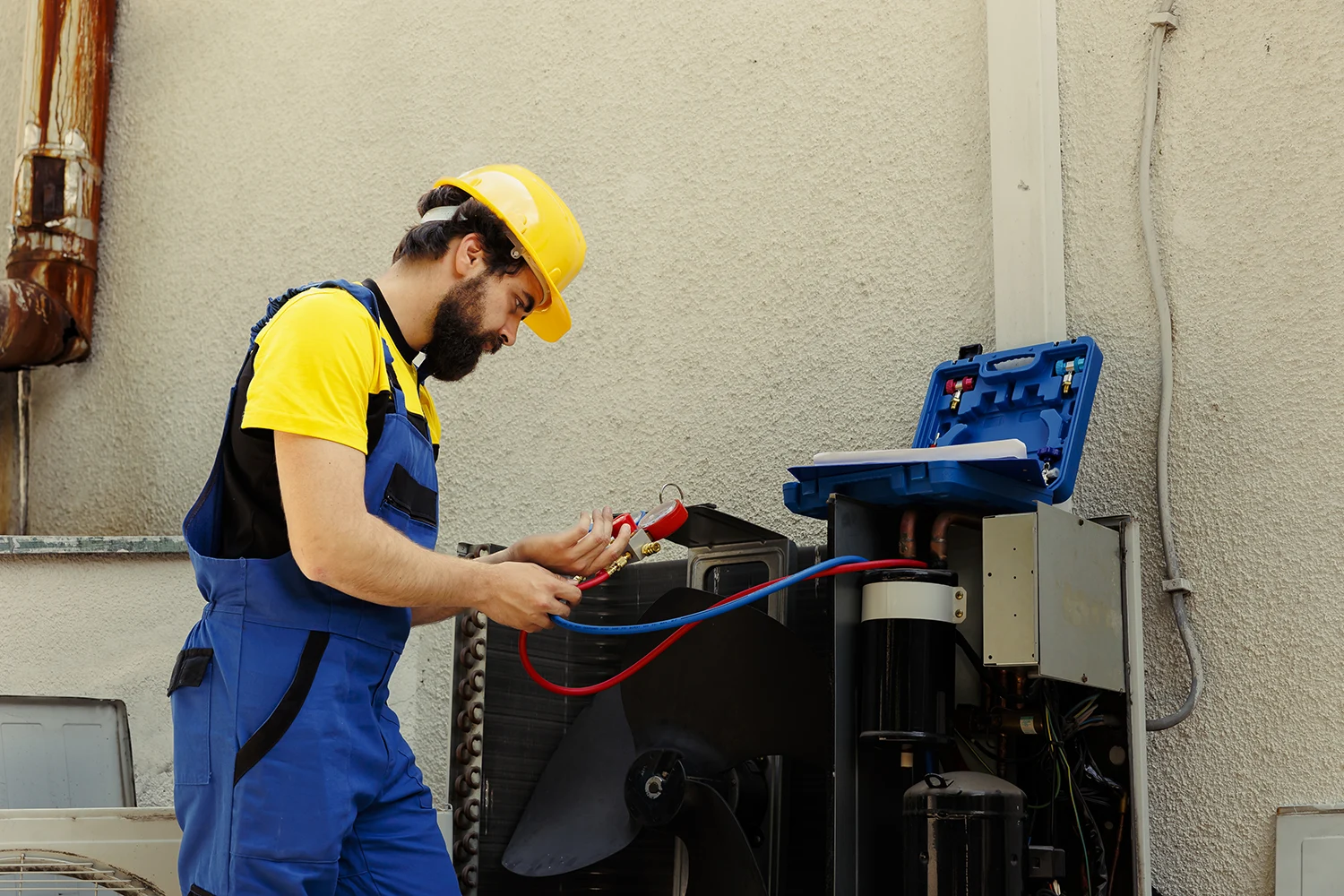
Have you ever wondered why your AC stops cooling all of a sudden? Most of the time, the problem lies in the compressor. This key component works every day to keep your home cool, and when it fails, the entire system can stop functioning.
Compressor problems typically develop gradually, not suddenly. Understanding what causes them can help you act early and avoid costly repairs.
In this blog, we explain the main reason compressors fail and how proper care can help avoid problems.
Why the AC Compressor Is So Important
The compressor is the main working part of an air conditioner. It moves refrigerant through the system and helps remove heat from your home. Without it, your AC cannot cool the air.
Because the compressor works under high pressure, it must stay clean, well-maintained, and protected. Small issues can slowly damage it. When ignored, these problems can lead to full compressor failure.
The Most Common Cause of AC Compressor Failure
The most common cause of AC compressor failure is poor maintenance. Many AC systems fail not because they are old, but because they are not maintained properly.
When basic servicing is skipped, the compressor is forced to work harder than it should. Over time, this extra strain causes damage. Simple care can make a big difference. Without it, even a good system can break down early.
How Poor Maintenance Damages the Compressor
Poor maintenance affects the compressor in many ways. These problems usually grow slowly, which is why many people do not notice them until it is too late.
Dirty Air Filters
A dirty air filter blocks airflow. When air cannot move freely, the system overheats. This puts extra pressure on the compressor. The compressor runs longer and harder. Over time, this leads to wear and failure. Changing air filters regularly is one of the easiest ways to protect your AC.
Dirty Condenser Coils
Condenser coils release heat from the system. When dust and dirt build up on these coils, heat cannot escape properly. The compressor must work harder to cool the refrigerant. This raises its temperature and stress level. Regular cleaning helps the system stay cool and balanced.
Low Refrigerant Levels
Low refrigerant often comes from leaks. When the refrigerant is low, the compressor cannot do its job properly. It starts running longer cycles to reach the set temperature. This extra work causes overheating and damage. Leaks should never be ignored. Fixing them early helps protect the compressor.
Electrical Problems
Electrical problems can slowly harm the AC compressor. Loose wires, old parts, or bad capacitors can affect the power flow. As a result, the compressor may turn on and off at the wrong times. This makes the system work harder than it should. Extra heat can build up and cause damage inside the compressor. Regular checks can find these issues early and help prevent major breakdowns.
Other Causes of AC Compressor Failure
While poor maintenance is the main cause, other factors can also damage the compressor, like:
Power Surges
Sudden power surges can damage the compressor and its wiring. These surges often happen during storms or power problems. Using a surge protector helps protect your AC from electrical damage.
Overheating Problems
Overheating is a big problem for AC compressors. It usually happens when airflow is blocked or when the system works too hard. Hot outdoor weather and poor airflow can make the issue worse. Keeping the AC system clean helps control heat and protect the compressor.
Incorrect AC Unit Size
An AC unit that is not the right size can cause problems. A small unit has to run too often to cool the space. A large unit turns on and off too quickly. Both situations put extra pressure on the compressor. Choosing the right size helps the system run smoothly and last longer.
lack of Regular Servicing
Many homeowners skip yearly AC service to save money. This can lead to bigger repair costs later. A trained technician can find small problems early and fix them before they damage the compressor. Regular servicing helps the AC cool better and last longer.
Warning Signs of a Failing AC Compressor
Knowing the warning signs allows you to act before the problem becomes serious. Warm air coming from the vents while the AC is running is a common sign. You may also hear loud or unusual sounds from the system.
If the AC keeps turning on and off by itself, the compressor may be under stress. A sudden increase in power bills can also point to a problem. In some cases, the AC may not turn on at all. If you notice any of these signs, getting professional help early can prevent bigger damage.
How to Prevent AC Compressor Failure
Preventing compressor failure is easier than most people think. Simple care helps your AC work better and last longer. Changing air filters every few months keeps airflow smooth. This reduces pressure on the system.
Keeping the outdoor unit clean helps heat escape properly. Yearly professional service helps find small problems early. Fixing refrigerant leaks on time and using protection against power surges also helps protect the compressor. These simple steps improve cooling and lower repair costs.
When to Call a Professional Technician
Some AC problems cannot be fixed with basic home care. A trained technician knows how all parts of the system work together. Professional AC service helps find hidden problems that may not be easy to see.
It can lower the chance of costly repairs and improve cooling performance. Regular support from Airfreeze also helps the compressor last longer. With professional care from us, your AC runs more smoothly and provides better comfort throughout the year.
Conclusion
Lack of proper maintenance is the most common cause of AC compressor failure. When filters are dirty and service is ignored, the compressor is forced to work harder.
Over time, this leads to breakdowns. Regular cleaning and professional checks help prevent damage and keep your AC running smoothly. Taking care of the compressor helps the whole system perform better.
If your AC shows signs of trouble, don’t wait. Contact Airfreeze today for a system check and enjoy cool, comfortable air at home.